
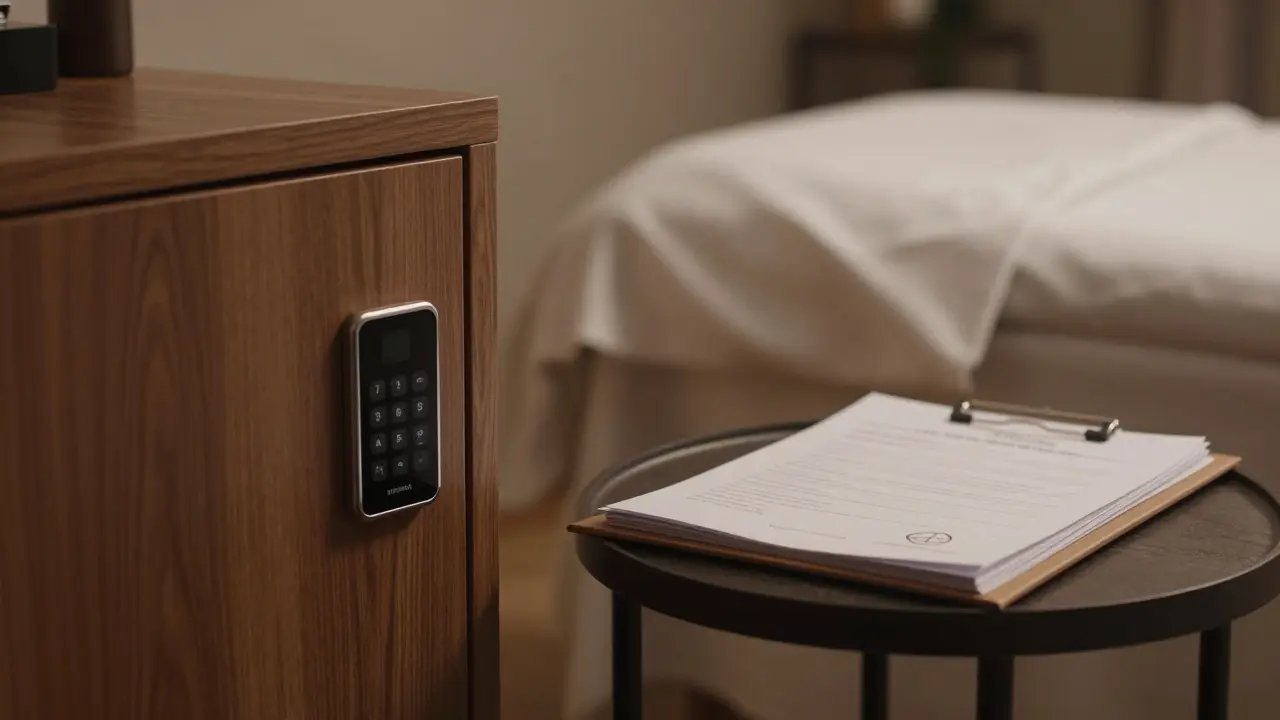
Imagine you are sitting in your office, reviewing the client list for tomorrow. One name stands out - a woman who mentioned during her intake form that she struggles with post-partum anxiety and specific touch aversions. That piece of information is not just a note; it is a special category of personal data under GDPR Article 9. If this file falls into the wrong hands, or if you handle it without explicit consent, you are looking at fines that can cripple a small business. In the world of tantra, where intimacy and vulnerability are the core products, data protection isn't just bureaucratic red tape. It is the foundation of trust.
The General Data Protection Regulation (GDPR) is EU Regulation 2016/679 has been the law since May 25, 2018, replacing the old Czech Act No. 101/2000 Sb. But for tantra salons, the stakes are significantly higher than for a standard hair salon or gym. You are dealing with health data, sexual orientation, and intimate life details. According to the Office for Personal Data Protection (ÚOOÚ) report for 2023, processing such sensitive data accounts for 43% of all controls in the wellness sector. This article will walk you through exactly how to protect your clients-and yourself-without getting lost in legal jargon.
Why Tantra Salons Are Different Under GDPR
You might think, "I just offer massages, why do I need special rules?" The difference lies in the nature of the data. A regular massage therapist records your name, phone number, and maybe a note about a sore back. That is basic personal data. A tantra therapist often collects medical history, contraindications, psychological states, and sometimes even information about sexual dysfunction or trauma. These fall under citlivých údajů (sensitive data).
| Feature | Standard Massage/Wellness | Tantra Salon |
|---|---|---|
| Data Type | Contact info, booking history | Health records, sexual orientation, psychological notes |
| Legal Basis (GDPR Art. 6) | Legitimate interest or Contract performance | Explicit Consent required for sensitive data |
| Risk Level | Low to Medium | High (300% higher risk of breach impact per ÚOOÚ) |
| Consent Form | General privacy policy signature | Separate, explicit written consent for health/intimate data |
| Storage Requirement | Basic security sufficient | Encryption, locked physical archives, strict access control |
In 2022, the Prague-based "Tantra Praha" was fined 50,000 CZK because they failed to obtain written consent for processing a client's information regarding sexual dysfunction. The authority ruled that "legitimate interest" does not cover health-related disclosures in this context. For tantra businesses, relying on general terms and conditions is no longer an option. You need a separate, clear, and explicit consent mechanism specifically for the sensitive aspects of the service.
Who Is the Controller? Understanding Your Role
Most tantra salons in the Czech Republic operate as sole proprietors (fyzické osoby) registered in the Trade License Register. You are likely the Data Controller is the entity that determines the purposes and means of processing personal data. This means you are fully responsible for compliance. Let’s look at real examples. "Cesta doteku" in Plzeň and Prague lists Barbora Chmelíková as the controller, with her ID number and address clearly stated in their GDPR declaration. Similarly, "Naty Salon" in Havířov identifies Nataša Masnicová as the responsible party.
Being the controller means you must document every reason why you collect data. For tantra services, the primary legal bases are usually:
- Contract Performance (Art. 6(1)(b)): You need the name and contact details to book and provide the session.
- Explicit Consent (Art. 9(2)(a)): You need specific permission to process health or intimate life data that is necessary for the therapeutic aspect of the tantra work.
Do not mix these. Keep the administrative data separate from the sensitive therapeutic notes. This separation simplifies audits and reduces the risk of accidental exposure.

Technical Safeguards: How to Store Data Securely
A survey by the Association of Wellness Entrepreneurs in October 2023 revealed a stark reality: 89% of Czech tantra salons use only local, encrypted databases (like VeraCrypt with AES-256 encryption) and avoid cloud solutions entirely. Why? Because the risk of a cloud breach is perceived as too high for intimate data. Only 11% use specialized reservation systems like Setmore, which holds GDPR certification audited by Deloitte ČR.
If you are still using Excel files on an open network, you are violating Article 32 GDPR is the requirement for appropriate technical and organizational measures to ensure security. Here is what you should be doing:
- Encrypt Everything Digital: Use full-disk encryption on laptops and phones. If a device is stolen, the data remains unreadable.
- Lock Physical Files: Intake forms and therapy notes must be stored in locked cabinets. Access should be limited to authorized staff only.
- Secure Communication: Avoid sending sensitive health details via standard SMS or unencrypted email. Use secure portals or encrypted messaging apps agreed upon with the client.
- Regular Backups: Ensure backups are also encrypted and stored securely, preferably off-site but not in a public cloud bucket.
One tragic example from the "Tantrická komunita ČR" forum involved a salon in Brno that kept HIV status information in an unencrypted Excel file accessible to all employees. This led to a data leak in December 2023. Such negligence not only destroys client trust but invites severe regulatory action.
The Human Factor: Training and Staff Awareness
Technology alone won’t save you. The biggest vulnerability in any small business is human error. A study showed that 68% of tantra salon owners have not undergone certified GDPR training-double the average for the broader wellness sector. This gap is dangerous. Your therapists need to understand that discussing a client’s intimate details in the break room, even without names, can be a violation if the person is identifiable.
Implement simple rules:
- No discussing clients outside of professional settings.
- Immediate reporting of any lost devices or potential leaks.
- Regular refreshers on data minimization-only collect what you absolutely need.
The Association of Tantric Therapists launched a free course "GDPR for Intimate Services" in March 2024, which has already trained 112 operators. Consider similar resources to keep your team informed. Knowledge is your best defense against accidental breaches.

Client Rights: Transparency and Trust
Your clients are increasingly aware of their rights. An Ipsos survey from June 2024 found that 74% of tantra clients requested the deletion of their data after ending their relationship with a provider, but only 58% of salons complied within the 30-day limit set by Article 17 GDPR is the right to erasure ('right to be forgotten').
To build trust, make transparency easy. Offer a clear way for clients to:
- Access their data (Right of Access).
- Correct inaccuracies (Right to Rectification).
- Delete their records when no longer needed (Right to Erasure).
- Withdraw consent at any time.
Salons like "Moje tantra masáže" have received high praise on Trustpilot (4.7/5 stars) specifically for their transparent GDPR practices, including a one-click option to download all personal data. This level of service turns a legal obligation into a competitive advantage. Clients feel safe knowing their intimate secrets are respected and protected.
Future Outlook: Stricter Regulations Ahead
The landscape is changing. As of January 1, 2024, the ÚOOÚ introduced a new "Framework for Sensitive Data in Non-Medical Facilities," requiring quarterly security audits for anyone handling health data. Furthermore, the European Data Protection Board (EDPB) suggested in mid-2024 that tantra massages could be classified as health services by 2025. This would mandate compliance with ISO 27001 standards, which are costly and complex for small businesses.
Currently, only 35% of salons have the financial capacity to invest in certified systems costing around 45,000 CZK. This pressure may force consolidation in the market. However, those who adapt early will survive and thrive. Compliance is not just about avoiding fines; it is about proving that you are a professional, ethical practitioner worthy of your clients' deepest trust.
What is the penalty for GDPR violation in a tantra salon?
Fines can range from thousands to millions of CZK depending on severity. In 2022, a Prague salon was fined 50,000 CZK for lacking explicit consent for health data. More severe breaches involving large-scale leaks can result in much higher penalties, up to 4% of global annual turnover.
How long should I keep client data in a tantra salon?
Generally, you should retain data for 10 years after the contract ends, aligning with accounting documentation laws (Act No. 353/2001 Sb.). However, sensitive health notes should be deleted sooner if they are no longer necessary for the purpose collected, unless retention is legally required.
Do I need a Data Protection Officer (DPO)?
For most small tantra salons, appointing a full-time DPO is not mandatory. However, given the sensitivity of the data, hiring an external consultant or joining an association that provides GDPR support is highly recommended. Only 23% of salons currently use certified advisors, but this is a growing trend.
Can I use cloud storage for client files?
Yes, but only if the provider is GDPR-compliant and offers strong encryption. Most tantra salons prefer local encrypted storage due to higher perceived security. If using cloud services like Setmore, ensure they have valid GDPR certifications and data processing agreements in place.
What happens if a client requests data deletion?
You must comply within 30 days under Article 17 GDPR, unless you have a legal obligation to keep certain records (like invoices). Delete all copies, including backups if feasible, and confirm the deletion to the client in writing.



Napsat komentář